
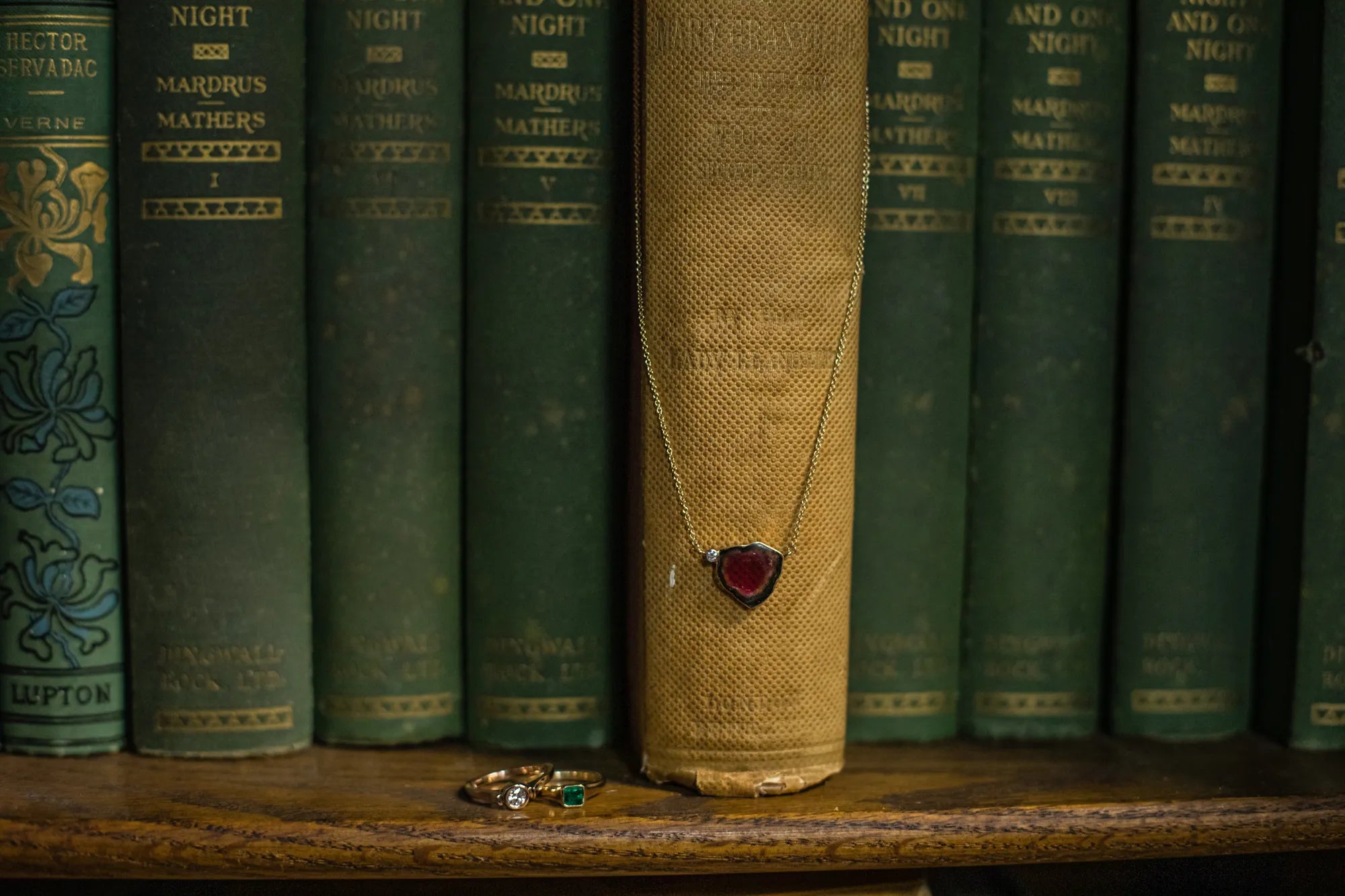
A significant part of what we do is turning old jewelry into something new. Stones from a previous relationship. A grandmother's ring. A bracelet you've never worn. These pieces carry real value — in the metal, in the gems, and often in the memory — and repurposing lets you carry that forward in a design that actually fits your life.
We've been doing this work since 1975. If you have a piece that deserves a second look, we'd like to see it.
The Process
How Jewelry Repurposing Works
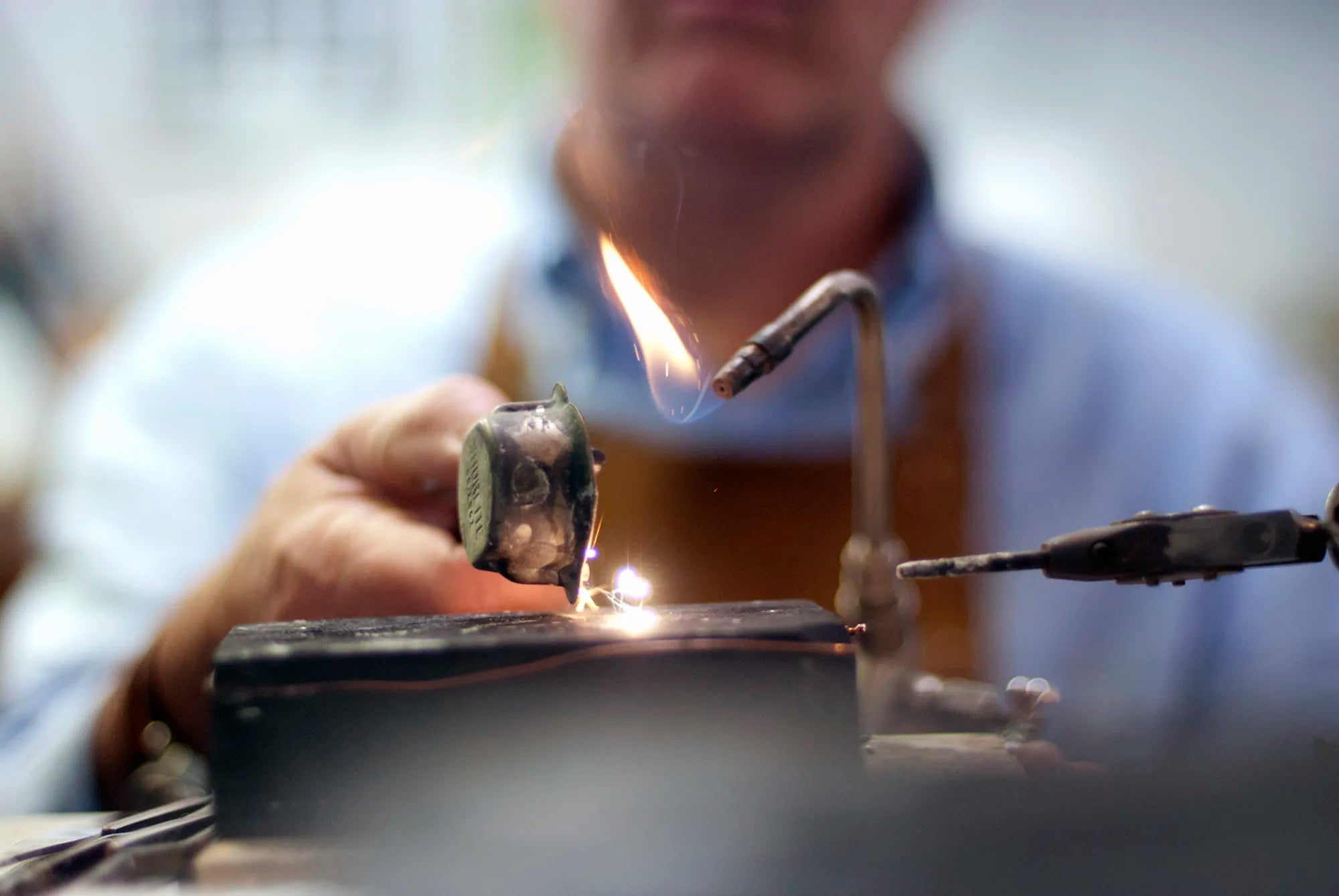
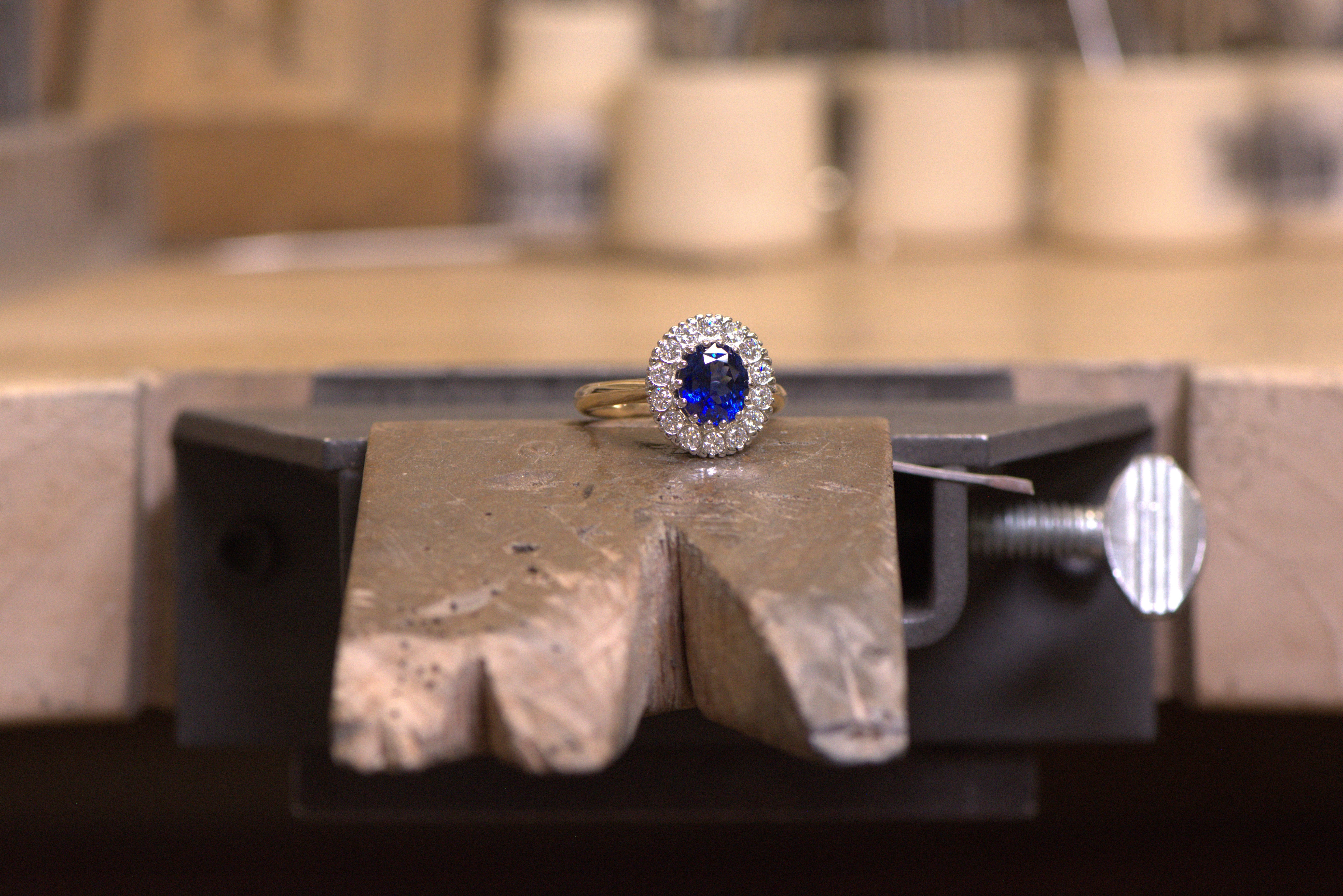
Your Stones, Sourced or Carried Forward
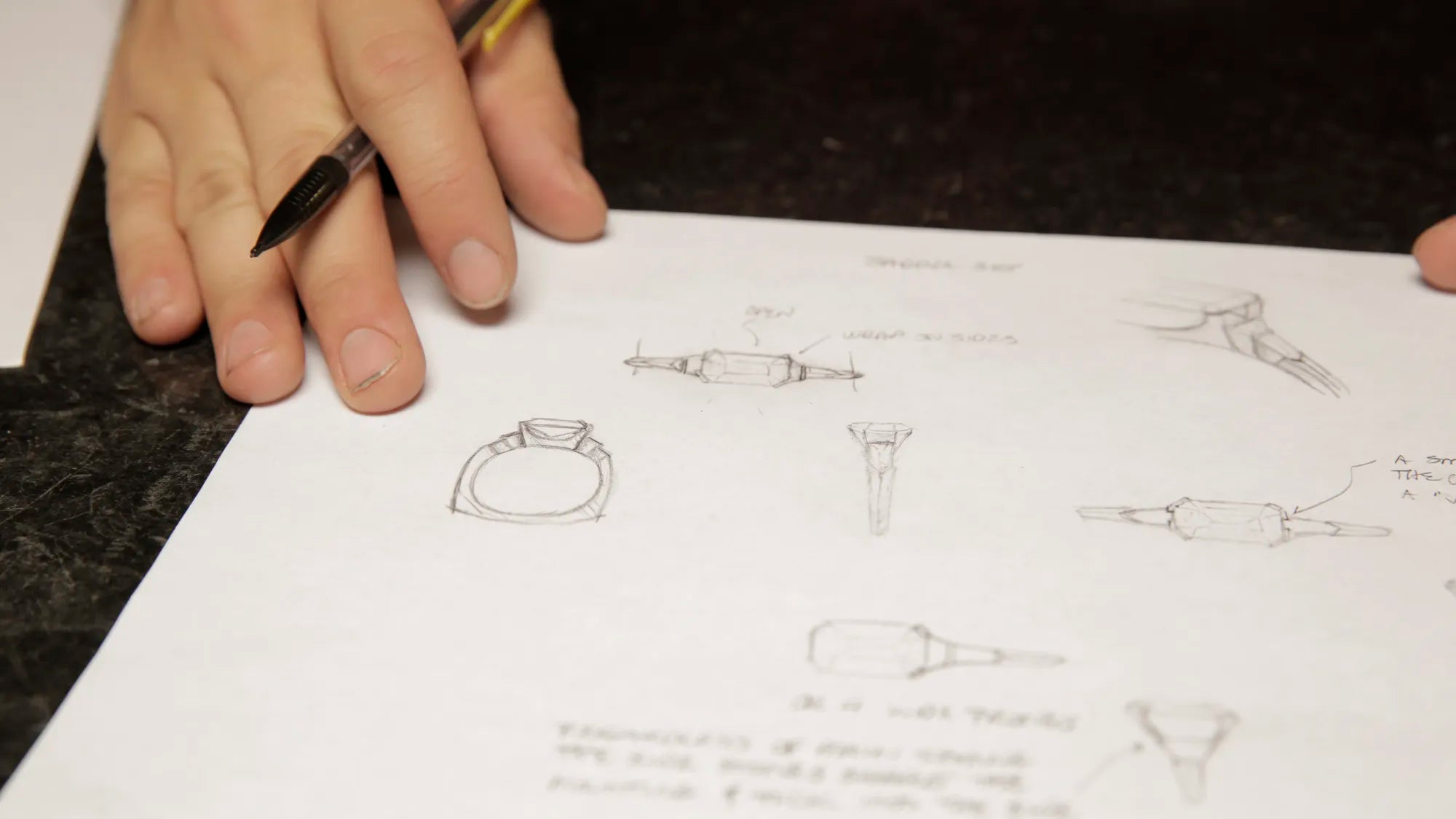
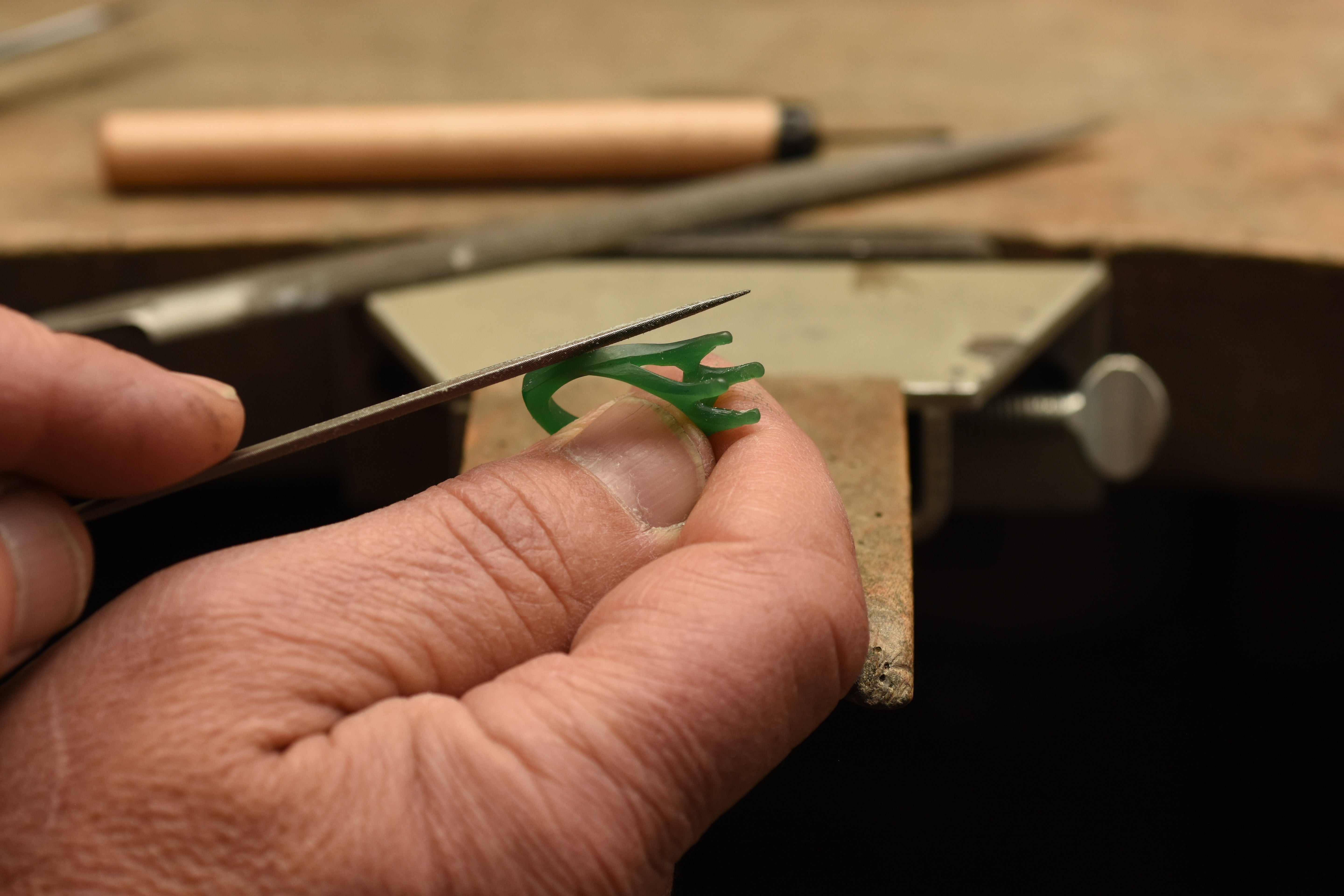
In most repurposing projects, you're bringing the center stone or primary gems — and we build the new design around them. If the new design calls for additional stones, we can source those for you. All gemstones we work with are natural; we don't use synthetics or simulants.
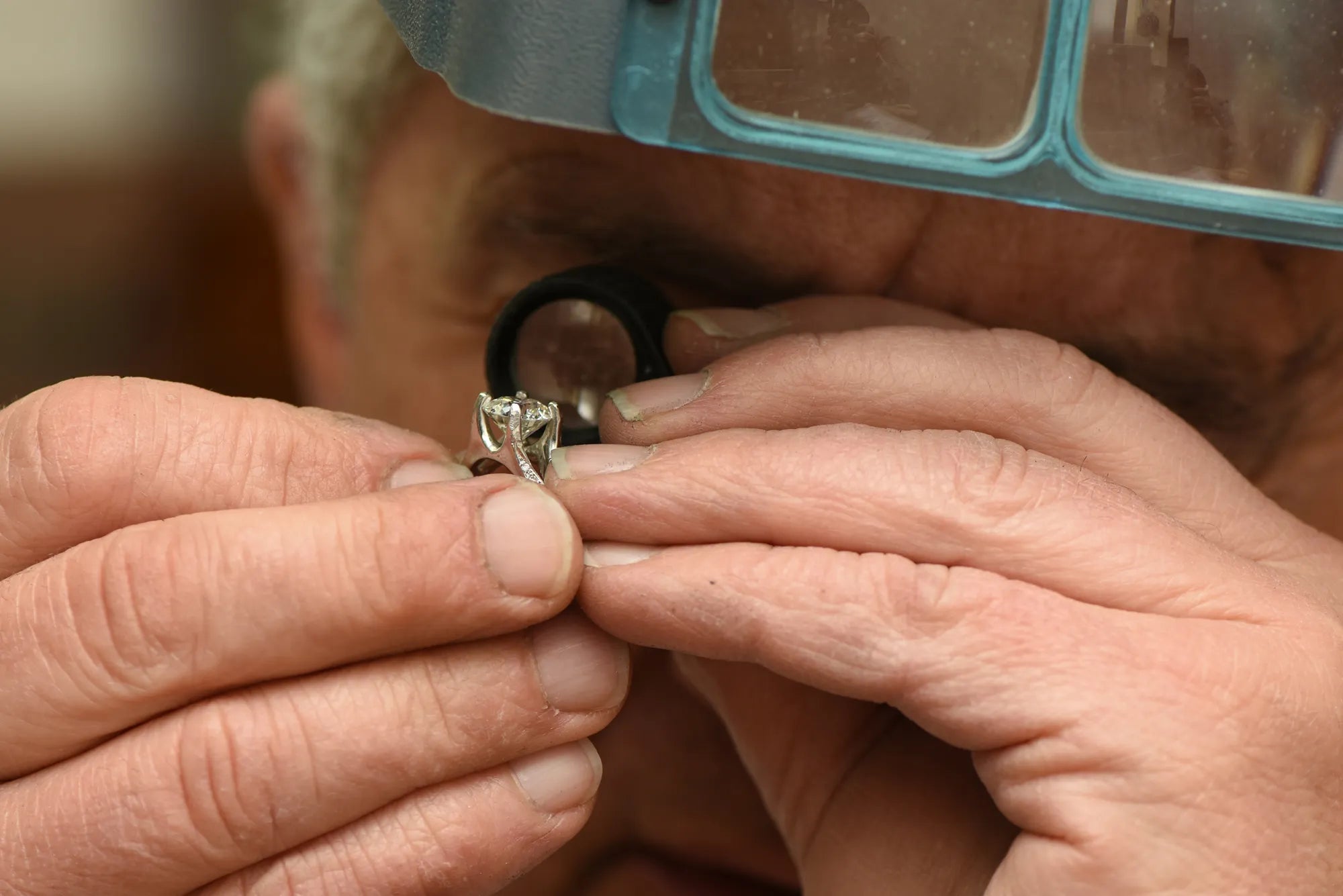
Before your stones go into a new setting, we'll evaluate their condition. Years in a piece of jewelry can leave gems worn, scratched, or showing their age. When it makes sense, we'll recommend repolishing or recutting to bring them back before setting them in the new design.
Start With a Conversation
Bring your piece in and we'll take a look together. We're at 470 Broadway in downtown Saratoga Springs, and we work by appointment.
FAQ
Repurposing Jewelry — Common Questions
Bring it in. We'll assess what you have, talk through what's possible, and help you figure out a direction. Inherited pieces are some of our favorite projects — there's usually something worth saving, whether that's a stone, the metal, or just the idea of it.
We weigh it and apply trade-in credit based on the weight, purity, and current market price. That credit goes toward the cost of your new piece.
Usually not. Small stones from older pieces are often poorly cut, chipped, or worn in ways that aren't always visible to the naked eye. Reusing them in a new setting can compromise the finished piece. In most cases, you're better off replacing small accent stones with fresh, precision-cut gems. We'll give you an honest read on this when we look at your piece.
Repurposing projects generally run 2–4 months from approved design to finished piece, consistent with our custom work timeline.
It depends on what you want and how you wear jewelry. Here's the honest breakdown:
Gold is alloyed — 14k is 58.5% pure gold, 18k is 75%. It comes in yellow, rose, and white. White gold carries a slight warm undertone and holds a high polish well, but it can chip or wear at prong tips with hard daily use.
Platinum is 95% pure and more malleable, which makes it more forgiving around stone settings. It won't chip or break away the way white gold can, and it's impervious to chlorine. The trade-off is that platinum develops a matte patina more quickly than gold and needs periodic polishing to stay bright.
Neither is universally better. We're happy to talk through which makes more sense for your specific piece and how you live in your jewelry.